ANON
Clubbed by kindness
I sit here stunned
By the knowledge that
You loved me once
Possibly.
No room for any doubt on my side
But you were forbidden fruit
About to fall from the tree
Trouble was
I never tried to catch you
Not really.
And now I have fallen further
Than you ever could
And there you are
Somehow
To pick me up
BOOKS
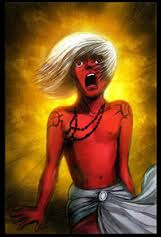
I AM RED
THE WALL
I find the further back I go, the better I remember things, whether they happened or not.
Mark Twain
THE WALL
I stopped by our wall again today
Staring
Just staring
I saw an image of you
Fleeting
As you hurried by
It was like somebody
Had stood on my grave
You in all your finery
Mirrored on a blank wall
Blank
Just like your face.
THE GREEN FORGOTTEN VALLEYS
Those green forgotten valleys,
No longer can be seen
Lying hidden behind the tall fir and larch
That have made these brown hills green
Relentlessly marching down the hills
Burying everything in their wake
The dead are long gone from this place
The pike no longer in the lake
The houses just hollow shells now
Where the past ghosts eerily through
The vacant windows and doors
With rotted frames and jambs that once were new.
Back then there was no silence, only the sound
Of human laughter, and bird-calls to each other
The dogs growling at a wayward sheep.
And children’s scrapes kissed better by their mother
Nature is having the last laugh now
Soon there will be no trace of us at all
As the trees come marching down the hillside
No one hears the lonesome curlew’s call.
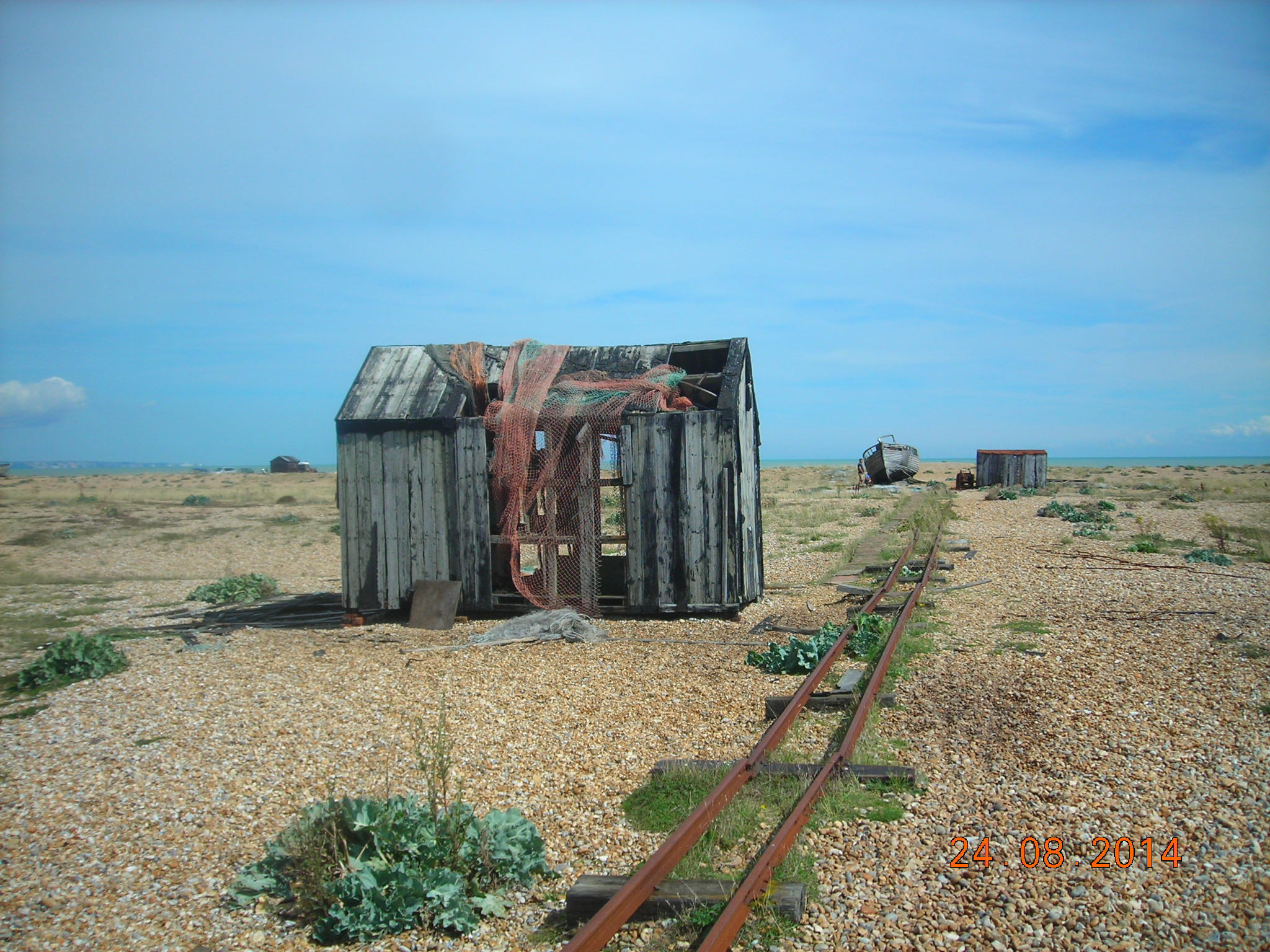
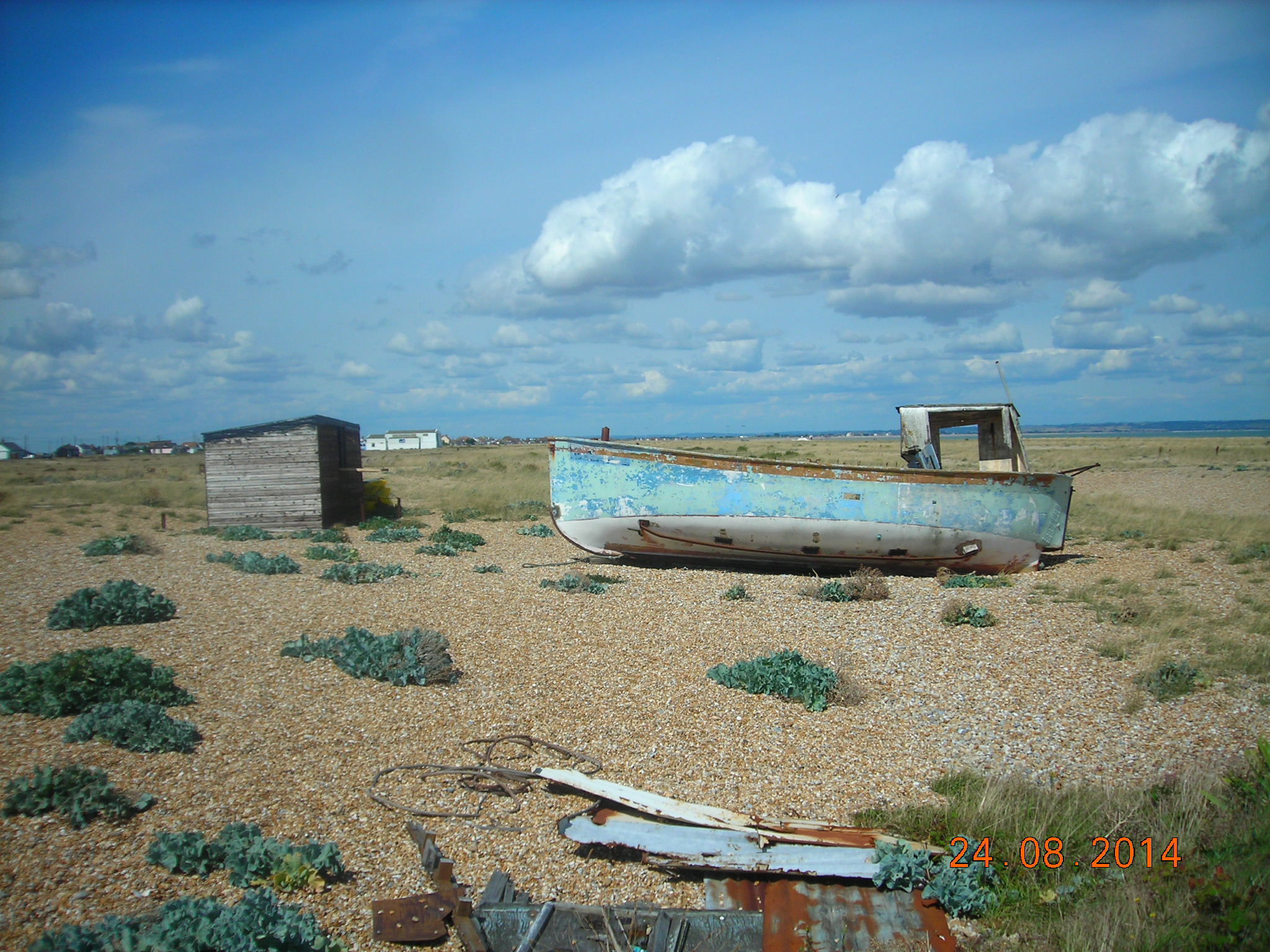
DUNGENESS
Boats that belong to better days
Mingle with iron flotsam
Washed ashore on a sea of shingle
Fishermen’s shacks sit like pygmies
In the shadow of the power station
Their colourful facades
Browbeaten by nature’s extremes
A stone garden sprouts incongruously
Beside one such dwelling;
It does not bloom in spring
But neither will it die when winter comes
DEPARTURES
BEING HERE
I may never be a poet
I may never rhyme;
(having no time for all that crap)
But one thing I do know;
People don’t stay, they go;
And they never come back
Oh, they are there – empty;
Looking like they once were
But deep down you know it’s not really them;
Just effigies
Waiting for you to go too
She loved you once you know;
She would admit it
Now fire has seared her mind
Cleansing the important bits;
It’s not love that sparkles now,
Just tolerance
And not a lot of that
So where do you go
When the fire has burnt itself
But into it;
Ashes to ashes
Dust to December
And no better for it;
Complacency –
And no end to the pain of it
my latest 2 collection of poems- 67 & 67 PLUS @ http://www.amazon.co.uk/Tom-OBrien/e/B0034OIGOQ/ref=sr_tc_2_0?qid=1388083522&sr=1-2-ent
ABOUT SINGING


ABOUT SINGING
An unsung land is a dead land
Forget the song
And the land will surely die.
Our forebears, though mostly illiterate,
Made music that can still make us cry
Musical phrases, like a map reference,
And the land read as a musical score
Where singing the land
Has the crowd calling out for more.
The song couplets stretch across tectonic plates
Just like mountains stretch across continents
And someone waving as we pass through endless gates.
*
Pale sand, red rock, burning fire
Everything your heart may desire
Mapping the music
to which everything transcends
This is where the story begins not ends.
Religion, pagan or Christian
Permeating everything, blending,
People sympathetic and synthetic,
Careless and unknowing of secular beginning
Or religious ending.
All the colours of the rainbow
Dressed in human clothing
Aisling, dreang, radharc
And the gift of seeing what isn’t there
When the songs are left unsung
Who is then left to care?
THE SHINY RED HONDA…read first chapter
THE SHINY RED HONDA
Chapter one
I was thirteen tall and gangly when I first pulled on long trousers. What a relief that was; I was the longest streak of misery you were ever likely to see in the short ones. It was my last year at the National school in Newtown and the Master used every opportunity to drag me around the classroom shouting “just because you wear long trousers now O’ Brien, don’t think it makes you any smarter”. I wasn’t and it didn’t, but the Master was a law unto himself so I just kept my gob shut. There were discussions about what, if any, further education I was to get. Dungarvan was out I heard my father say; it was too far away and the fares were too expensive. That only left the ‘Tech in Portlaw – and that seemed to totter from one financial crisis to the next.
We were poor I guess; no running water, no toilets, to TV, no car…you name it we didn’t have it. But then, money wasn’t as important as it is nowadays. If you had enough to live on you were doing well. If you didn’t you wouldn’t starve because the countryside was abundant in most of the things needed to survive. Even the poorest cottage had half an acre of land attached, and enough spuds, cabbage and other vegetables could be grown to keep a family from the poorhouse. Hens provided eggs every day, a pig could be fattened and killed; and if you couldn’t afford turf or coal, well, there was plenty of wood scattered about… Continue reading
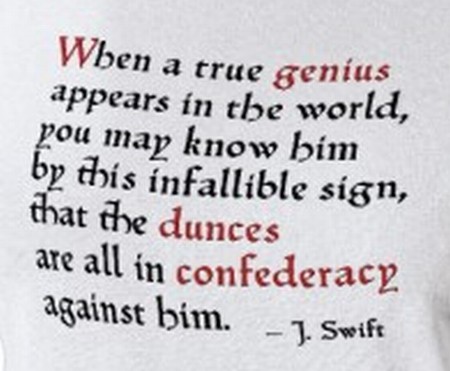
A CONFEDERACY OF DUNCES


A CONFEDERACY OF DUNCES
Re-reading this book after many years I had forgotten that its author, John Kennedy Toole, had committed suicide at the age of 31 in 1969. He had been trying unsuccessfuly to get it published for about six years, and became so depressed after many rejections that he took his own life. It was only through the tenacity of his own mother that the book was eventually published in 1980 and found the audience it deserved. It has since been recognised as one of the great American novels and deservedly won the Pullitzer Prize in 1981
It’s hero – or should that be anti-hero – Ignatius Reilly, is one of the great characters of English literature, a slob extroardinaire, a mad Oliver Hardy, a fat Don Quixote, a perverse Thomas Aquinas rolled into one, who is in violent revolt against the entire modern world, lying in his flannel nightshirt, in a back bedroom on Constantinople Street in New Orleans, who in between gigantic seizures of flatulence is filling dozens of notebooks with invective.
His mother thinks he needs a job; he does a succession of jobs, each rapidly escalating into a lunatic adventure, a full-blown disaster, yet each one has its own eerie logic. Ignatius is an intellectual,idealogue,deadbeat, goof-off, glutton, with thunderous contempt for for almost everybody; homosexuals, heterosexuals, Freud, Protestants, workers, bosses and the assorted excesses of modern times. A great rumbling Falstaffian farce of a book is the only way I can describe it and the shame is that Toole never lived to see the fruits of his labours. Read it and weep – with laughter!